How to Use Glace de Vivande in Your Cooking
Written by MasterClass
Last updated: Jun 7, 2021 • 1 min read
Delve into the world of old-school classic French cuisine with glace de viande.

Learn From the Best
What Is Glace?
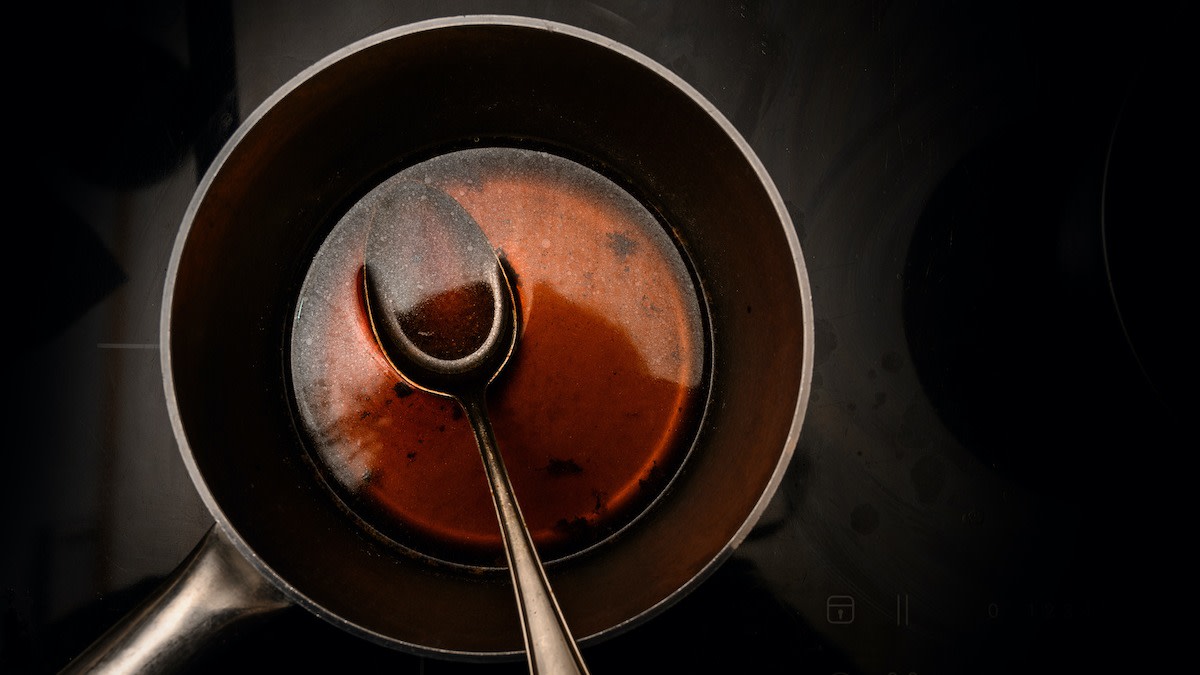
Glace de viande is a French meat glaze made by reducing stock (dark veal stock, beef stock, or chicken stock) to about one-tenth of its original volume, resulting in a concentrated brown stock with a thick, shiny consistency. The result is more of a syrup than a sauce—a shelf-stable, highly flavorful meat concentrate that was essential in professional kitchens during the time of Auguste Escoffier, the most famous professional chef in France during the late-nineteenth century. You may still find glace de viande in high-end French restaurants as a glaze or ingredient in sauce, but home cooks and modern chefs use it rarely since it's so labor-intensive to make.
Glace vs. Demi-Glace: What’s the Difference?
Glace and demi-glace are both brown sauces used in French cooking, but there's one key difference: Demi-glace is thinner than glace de viande. Whereas glace is stock reduced to one-tenth of its original volume, classic demi-glace is made either by reducing brown stock to between a quarter and half of its original volume, or by combining equal parts espagnole sauce (one of the mother sauces of French cuisine, made with a brown roux) and brown stock and reducing that by half. Demi-glace usually includes flavorings, such as sherry or red wine and spices like bay leaf or peppercorns.
How to Use Glace in Your Cooking
The word glace means “glaze” in French, which is the traditional use for glace de viande—to add a glossy finish to roasted meats, such as lamb shanks. When you brush warm glace de viande onto the surface of the meat, it creates an appealing glossy surface and adds an extra hit of umami. Glace's long shelf life also makes it useful as an ingredient in sauce making: Add a spoonful to a pan sauce to boost its flavor. You can also add glace to simmering water to make a quick stock—think of it as the original bouillon cube.
Want to Learn More About Cooking?
Become a better chef with the MasterClass Annual Membership. Gain access to exclusive video lessons taught by culinary masters, including Gabriela Cámara, Chef Thomas Keller, Massimo Bottura, Dominique Ansel, Gordon Ramsay, Alice Waters, and more.

Food
Wine 101: What Is Barrel Aging? Understanding the Barrel Aging Process in Winemaking and the Difference Between Steel and Oak Barrels
Sep 2, 2022

Food
Simple Syrup Recipe: How to Make Simple Syrup for Cocktails
Oct 20, 2026
Food
Almond Meal vs. Almond Flour: What’s the Difference?
Sep 7, 2021
Food
What Is DOC and DOCG Wine? Differences Between DOC, DOCG, IGT, and VdT on Italian Wine Labels
Aug 10, 2021
Food
How to Cut Shiitake Mushrooms
Mar 25, 2022
Food
How to Sharpen a Serrated Knife: Method and Tips
Jan 4, 2022
Other articles
Claude Debussy: A Guide to Claude Debussy’s Life and Music
Jun 25, 2021
How to Play Basketball: Explore the Basics of Basketball
Jun 7, 2021
How to Write a Horror Story in 7 Steps
Dec 8, 2021
Daniel Pink’s ABC’s of Selling: Inside the 3 Key Sales Qualities
Dec 10, 2021
Heavy Metal Music Guide: A Dive Into Heavy Metal Music
Jul 15, 2021
Learn the Difference Between Phrases and Clauses
Aug 11, 2021