How to Grow Borage From Seed: 5 Tips for Growing Borage
Written by MasterClass
Last updated: Jun 7, 2021 • 2 min read
Whether you know it as starflower or bee bush, borage is a multifunctional herb that is edible, ornamental, and easy to grow in your vegetable garden.

Learn From the Best
What Is Borage?
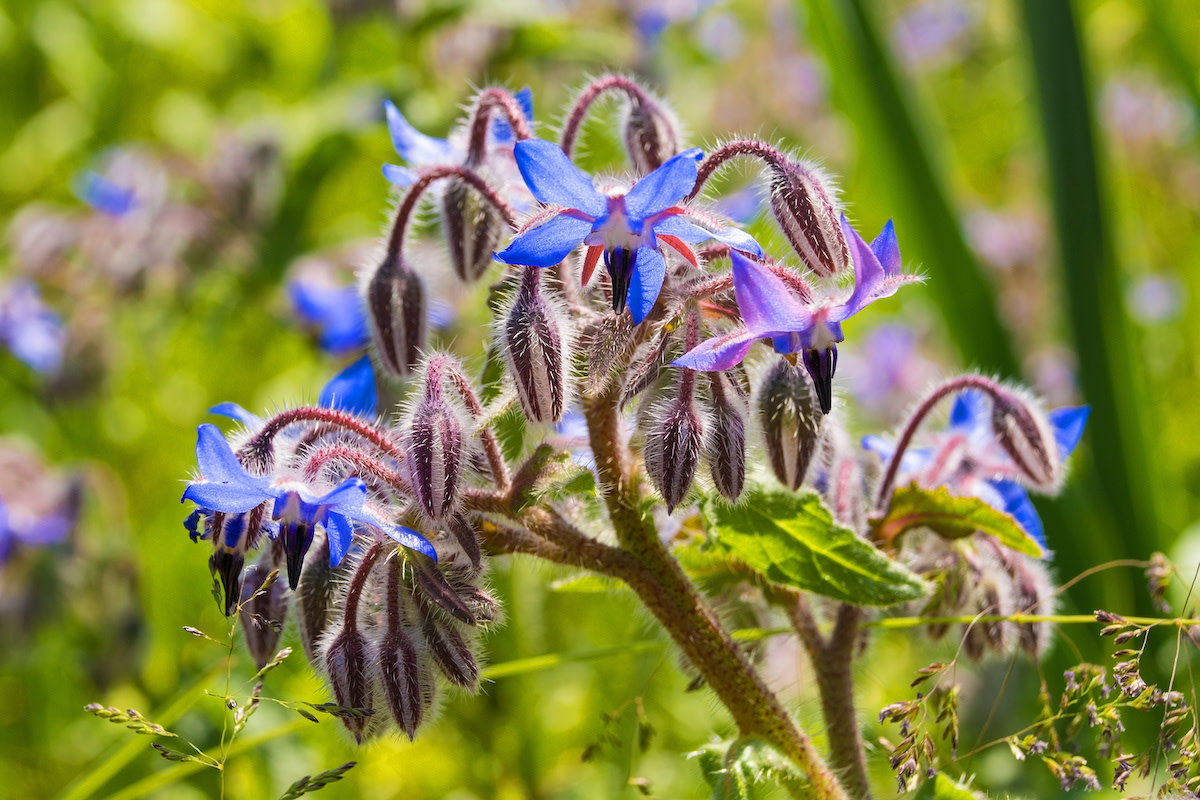
Borage (Borago officinalis) is a hardy annual herb from the Boraginaceae family. Borage plants can grow up to three feet tall, and feature vibrant, edible blue flowers and prickly cucumber-scented leaves. This multipurpose herb from the Mediterranean is now cultivated globally for its culinary and medicinal uses. Growers commonly harvest borage for its seed oil, which contains high amounts of gamma-linolenic acid, an omega-3 fatty acid with purported health properties.
How to Plant Borage
You can begin growing borage in late spring, after the last frost has passed.
- 1. Choose a site. Borage plants produce the most flowers in full sun, but they can also tolerate partial shade. Choose a planting area that gets at least six hours of sunlight per day for best results.
- 2. Prepare the soil. Borage prefers well-draining soil, rich in organic matter with a pH between 6.0 and 7.0. You can perform a soil test to determine whether your soil is acidic or alkaline.
- 3. Plant. Sow seeds a half-inch deep in well-draining soil. If planting multiple rows, allow 12 to 18 inches of space between seeds.
- 4. Water. Water the planting area regularly to establish the seedlings.
- 5. Succession plant. Prolong your growing season by staggering your plantings and sowing borage seeds every few weeks.
How to Grow and Care for Borage
Borage is a low-maintenance plant that requires basic routine care to thrive:
- 1. Companion plant. Companion planting borage next to strawberries and tomatoes can increase their fruit yield, while also fending off tomato hornworms. Borage attracts beneficial insects, pollinators like honeybees, bumblebees, and butterflies, while also serving as a deterrent to cabbage moths. Learn more about companion planting in our complete guide here.
- 2. Thin your plants. When the seedlings reach five inches tall, thin them back to about 12 inches apart by gently pulling out a few plants. Wear gloves while handling the borage to protect your hands from the plant’s prickly leaves. Thinning your plants gives them more room to grow.
- 3. Pinch off flowers. Once borage flowers go to seed, they can self-sow and grow prolifically. Remove flower heads towards the end of their lifecycle to prevent self-seeding.
- 4. Water. Borage plants require routine watering until they establish. After the plant blooms, wait until the soil is mostly dry before watering. Overwatering can hinder the plant’s growth.
- 5. Mulch. Mulching your borage plants can help suppress weeds and retain soil moisture.
How to Harvest Borage
To harvest borage, simply snip young leaves before they grow their prickly hairs. Use scissors to snip off the flowers once they’ve matured.
Learn More
Grow your own food with Ron Finley, the self-described "Gangster Gardener." Get the MasterClass Annual Membership and learn how to cultivate fresh herbs and vegetables, keep your house plants alive, and use compost to make your community - and the world - a better place.


How to Grow Salvia From Seed in Your Garden
Sep 3, 2020

Cilantro Growing Guide: How to Plant and Harvest Cilantro
Apr 22, 2020

How to Grow Scallions From Seeds and Scraps
Jun 16, 2020

Rosemary Grow Guide: How to Grow and Care for Rosemary
Apr 28, 2020

How to Grow and Care for Chervil: 5 Care Tips for Chervil
Jul 13, 2020

How to Grow Nasturtiums in Your Garden
Jul 28, 2020
Other articles
How to Grow Chamomile in Your Home Garden
Apr 22, 2020
How to Grow Parsley in Your Herb Garden
Apr 17, 2020
How to Grow Spaghetti Squash in Your Vegetable Garden
Jun 25, 2020
Comfrey Plant Guide: How to Grow and Care for Comfrey
Dec 21, 2021
Marshmallow Plant: Uses of the Marshmallow Plant
Sep 29, 2021
How to Make Plantable Seed Paper at Home
Jun 25, 2020