
Learn From the Best
10 Different Ukulele Sizes
The four main types of ukuleles—soprano, concert, tenor, and baritone—are distinguished by their size. In addition to those four, there are six less common types of ukuleles in different shapes and sizes.
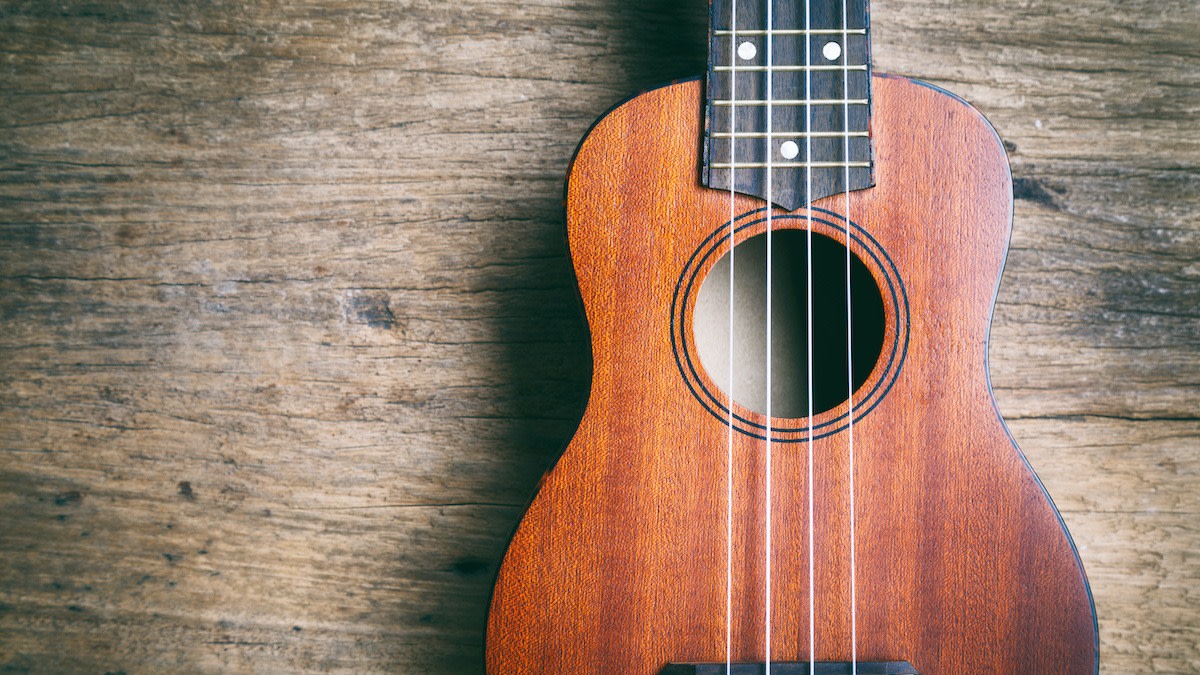
- 1. Soprano ukulele: The soprano ukulele has a standard tuning of G-C-E-A. This ukulele is the smallest in size, with a standard length of 21 inches.
- 2. Concert ukulele: The standard tuning of a concert ukulele is also G-C-E-A. This type of ukulele is slightly larger than the soprano size, at around 23 inches.
- 3. Tenor ukulele: Like soprano and concert ukuleles, the tenor ukulele has a standard tuning of G-C-E-A. It has a larger body—around 30 inches in length.
- 4. Baritone ukulele: The baritone ukulele is also 30 inches in length, but it is slightly broader than a tenor ukulele. It has a richer, deeper sound and is tuned to D-G-B-E
- 5. Guitar ukulele: Also known as a “guitarlele,” this ukulele has six strings, like a guitar.
- 6. Bass ukulele: A bass ukulele has the tuning of a bass guitar (E-A-D-G) and the body of a baritone ukulele.
- 7. Banjo ukulele: Also known as a “banjolele,” the banjo ukulele has the body and sound of a banjo, but the size of a traditional ukulele.
- 8. Electric ukulele: Like an electric guitar, an electric ukulele can be electronically amplified.
- 9. Sopranino ukulele: A very small ukulele that is smaller than a soprano ukulele. The sopranino ukulele has ten frets and is 12 inches in length.
- 10. Pineapple ukulele: The pineapple ukulele is shaped differently than a standard ukulele. Instead of the classical figure-eight shape that most ukuleles have, the pineapple ukulele has a rounder shape that resembles a pineapple. This shape gives the instrument a louder sound and sweeter tone.
3 Things to Consider When Choosing a Ukulele
If you're a beginner, these tips will give you a broader understanding of how to choose your first ukulele.
- 1. Wood vs. laminate: Like all instruments, the ukulele's material determines its sound. Play around with ukuleles of different tonewoods (like koa, cedar, and redwood) or laminates to determine the right sound for you. Generally, avoid plastic ukuleles.
- 2. Large vs. small: Different sizes of ukuleles don't just sound different; they're also played slightly differently. Beginner ukulele players usually start with a soprano or concert size. These ukuleles are small and easy to handle, with fretboards are larger and easier to navigate. They also have the standard ukulele sound.
- 3. Low-cost vs. expensive: Learning an instrument requires an investment of time and money. If you're serious about ukulele playing, consider a high-quality instrument with good strings. Otherwise, any ukulele type from a trusted ukulele brand will work just fine.
Want to Pack Some Hawaiian Punch Into Your ‘Uke Skills?
Grab a MasterClass Annual Membership, stretch out those fingers, and get your strum on with a little help from the Jimi Hendrix of ‘ukulele, Jake Shimabukuro. With some pointers from this Billboard chart topper, you’ll be an expert on chords, tremolo, vibrato, and more in no time.


How to Use Reentrant Tuning on a Ukulele
Aug 17, 2020

Ukulele vs. Guitar: Differences and Similarities Between Them
Aug 28, 2020

A Guide to Ukulele Strings: How to Choose Ukulele Strings
Jul 31, 2020

A Beginner’s Guide to Ukuleles: 9 Types of Ukuleles
Aug 11, 2020

Basic Ukulele Notes: How to Navigate a Ukulele Fretboard
Sep 3, 2020

Ukulele Anatomy Guide: 10 Parts of a Standard Ukulele
Aug 6, 2020
Other articles
Jake Shimabukuro’s 4 Tips for Holding a Ukulele
Sep 16, 2020
Ukulele Hand Positioning: How to Properly Hold a Ukulele
Jul 28, 2020
How to Use Nashville Tuning on a Guitar
Sep 17, 2020
Tremolo Picking Guide: Play Tremolo on Guitar and Ukulele
Sep 24, 2020
Guide to Cello Sizes: How to Choose a Cello Size
Jul 15, 2021
Homemade Musical Instruments: 14 DIY Musical Instruments
Jun 8, 2021